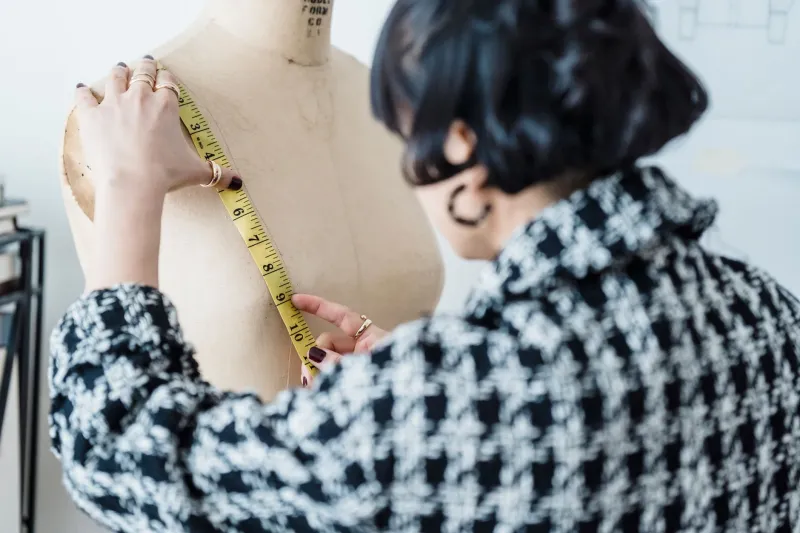
The Envelope Question: Tipping, Thank-Yous, and Grace in the Bridal Atelier

Photo by Photo by Dragonfly Ave on Unsplash on Unsplash
The question brides ask at the last fitting
It almost always arrives in the final twenty minutes of the last appointment, once the gown is off and the tea has gone cold. The bride leans in and asks, in a lowered voice, whether she is supposed to tip — and if so, whom, and how much, and whether an envelope is the right form.
The question is a good one, and the honest answer is more nuanced than most wedding checklists allow. Gratuity in the bridal couture world is neither required nor universally expected, but it is also rarely wrong. What follows is how the atelier actually sees it.
First, know who is in the room
A made-to-measure commission is not a single service performed by a single person. Depending on the house, your gown may pass through the hands of:
- A bridal consultant or stylist, who conducts the initial appointments and helps select the design.
- A pattern-maker, who drafts the block from your measurements and rarely meets you.
- A first hand or lead seamstress, who cuts and constructs the gown.
- Fitters, who conduct your fittings and mark the adjustments.
- A finisher, who hand-rolls the hem, sets the hooks, and presses the finished garment.
At a small atelier, three of those people may be the same person. At a larger house, they are distinct and may never meet you. Gratitude should follow the labor, which means the envelope does not always go to the person with whom you spent the most time.
The short answer on tipping
For a custom or made-to-measure gown in the United States, a gratuity is discretionary. It is not built into most couture pricing the way a service charge is built into a banquet contract, and no reputable atelier will penalize a bride who does not tip. That said, in houses where fitters and seamstresses are employees rather than owners, a gratuity at the completion of the commission is a customary and welcome gesture, particularly when the work involved unusual complexity or a compressed timeline.
For off-the-rack purchases at a boutique, tipping is less customary. For alterations only, it is more so, because the work is entirely labor.
What people actually give
The ranges below reflect common practice in US bridal ateliers in 2026. They are guidance, not rule, and they should always be checked against the house's own policy.
- Fitters and alterations staff: $50 to $150 per person at the final fitting, higher in major metropolitan markets or where three or more fittings were required.
- Lead seamstress or first hand: $100 to $300 for a complex commission, sometimes given as a single pooled gift for the workroom.
- Bridal consultant: $50 to $200, or none at all if the consultant is the owner or earns commission on the sale.
- Finisher or presser you never met: a pooled contribution to the workroom, typically $50 to $100 total.
- Delivery or courier for a shipped gown: $20 to $40.
If the total feels arbitrary, one defensible approach is to budget 3 to 5 percent of the gown's cost for gratuities and divide it among the people who touched the garment. On a $4,000 gown, that is $120 to $200 in total — enough to be meaningful, not enough to be awkward.
Who should not be tipped
Owners of a boutique or atelier generally should not be tipped; the margin is theirs. Nor should you tip someone who has already quoted a service charge, a rush fee, or a restocking fee that functions as compensation. Do not tip a consultant who is paid on commission for the sale unless the house's policy explicitly permits it — in some companies, accepting cash from a client is a fireable offense.
More important than the arithmetic is the policy question. Call or email the studio manager before the final appointment and ask directly: does the house allow staff to accept gratuities, and is there a preferred method? Houses that prohibit cash usually have a reason rooted in employment policy or in fairness among staff who share the work, and the graceful move is to respect it rather than to press an envelope into a hand.
The tax and payment details nobody mentions
Cash in an envelope is the simplest form and the least traceable, which is precisely why some houses discourage it. If the atelier issues invoices and processes cards, a gratuity added through the card is cleaner for everyone: it can be documented, distributed through payroll, and reported by the recipient as taxable income, as US law requires of any cash gratuity received by an employee.
A few practical notes. Never add a gratuity to a card payment without telling the front desk what it is for, or it may simply be applied to the balance. Do not deduct a gratuity from a balance still owed on the gown. And if you are working with a bridal stylist who is an independent contractor rather than an employee, a gift is often more appropriate than cash, since the relationship is commercial rather than service-based.
When cash feels wrong
Some brides come from backgrounds where an envelope is customary; others find it excruciating. Both instincts are legitimate, and there are alternatives that ateliers value at least as highly.
A written note. A specific, handwritten card — naming the fitting where a particular adjustment solved a problem, or the moment someone stayed late to re-pin a hem — is kept. At Mia Bridal Couture, the letters outlast the payments.
A referral. Sending a friend who books a commission is worth more to the workroom than any envelope, and everyone in the trade knows it.
A review that names names. Public credit for individual staff members is rare and prized.
Food for the workroom. Genuinely welcome, particularly during wedding season. Ask first about allergies and timing; a delivery that arrives on a Saturday in June will be remembered.
Photographs. A finished wedding photo sent to the atelier after the day is a gift the staff will pin up. The people who built your gown frequently never see it worn.
A donation. Some brides make a contribution to a textile-arts program or a dress-donation charity in the workroom's name, and send the confirmation along with a note.
Timing and delivery
Give gratuities at the final fitting or when you collect the finished gown, not after the wedding. The work is complete at pickup, and staff who have moved on to the next commission are difficult to thank retroactively. Hand envelopes individually where you can, and keep the amounts private; public distribution among a workroom creates exactly the awkwardness you were trying to avoid.
If you are shipping the gown or working long-distance, a card and a pooled gift sent to the studio manager before delivery is the cleanest solution.
What the atelier actually remembers
Ask anyone who has spent years in a fitting room and the stories are never about the largest envelope. They are about the bride who returned with a photograph of her grandmother in the gown. The one who wrote to the finisher by name. The one who, four years later, sent a note to say the gown had been shortened and worn to a anniversary dinner.
A gratuity is a fair and decent way to close a commission, and there is no shame in offering one. But the work of a couture atelier is measured in hours spent on a garment that will be worn once and remembered for decades, and the people who do it are, without exception, susceptible to being thanked properly. The envelope is one form of thanks. It is not the only one, and it is rarely the one that lasts.