After the Aisle: The Brides Who Keep Coming Back to the Atelier
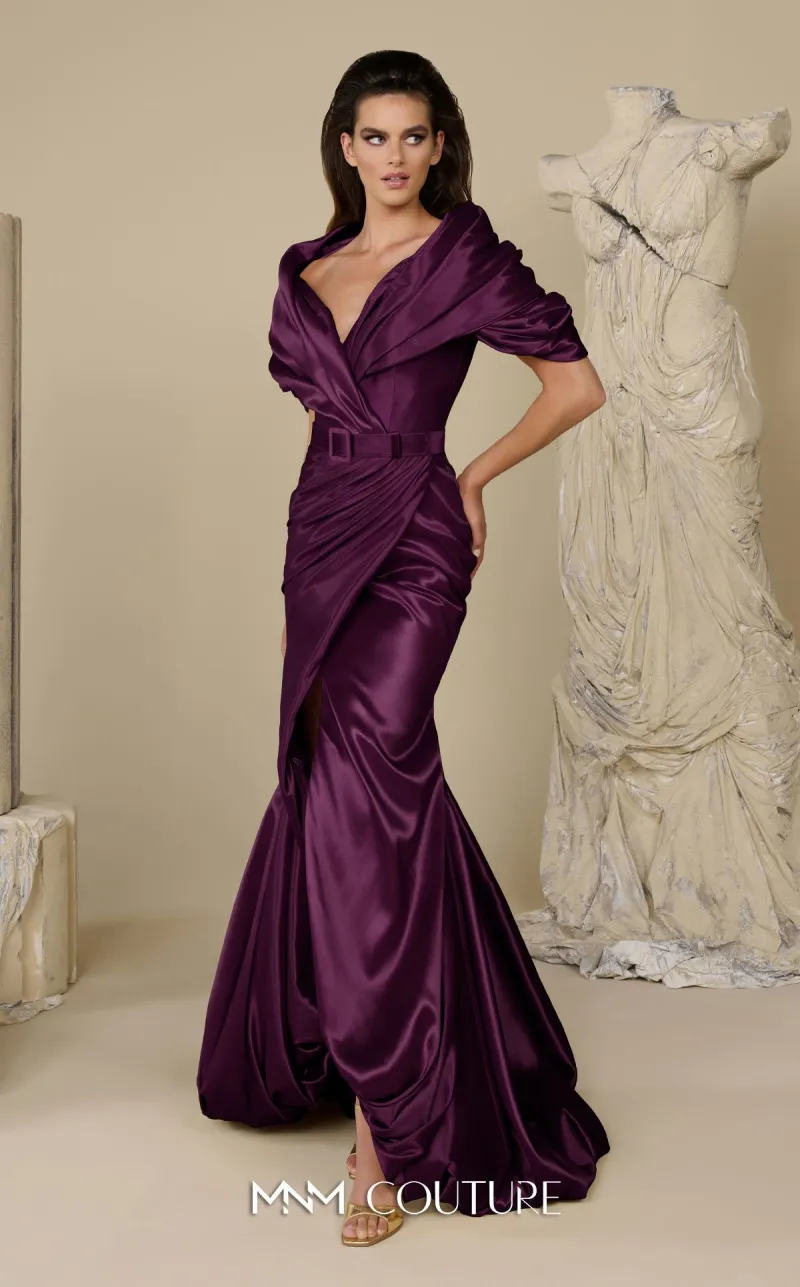
Photo: elegant mature woman fitting evening gown in couture atelier with designer, via www.miabellacouture.com
The Gown Was Only the Beginning
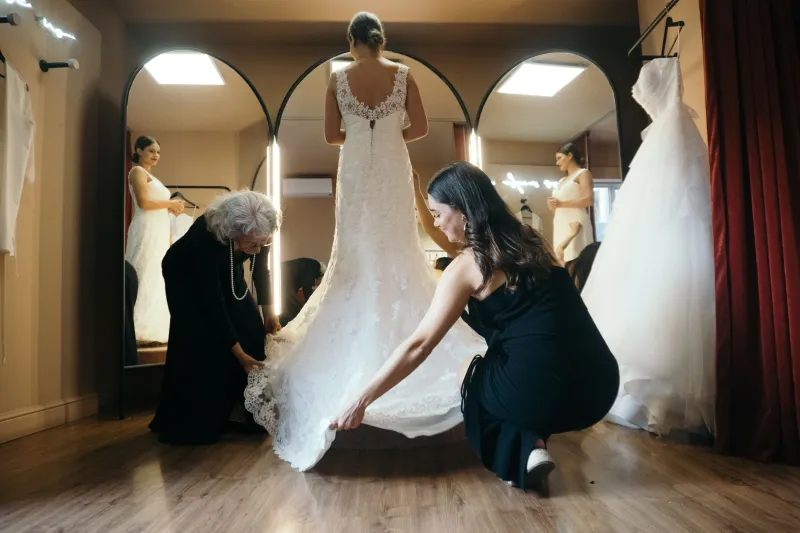
For most of the twentieth century, the bridal transaction followed a familiar script: a bride visits a salon, purchases a gown, marries, and never returns. The dress goes into a box in a closet, the relationship into a drawer. But walk through the appointment books of American couture ateliers today — including our own here at Mia Bridal Couture — and you'll find something unexpected. Brides, years removed from their weddings, booking fittings again.
They come back for vow renewals in Napa and Charleston. For milestone anniversaries. For the black-tie gala where they want to feel, once more, the way they felt on their wedding day. What was once a single transaction has become, for a growing number of women, a lifelong collaboration.
A Client, Then a Muse
"The second appointment is unrecognizable from the first," says one veteran bridal stylist who has spent two decades in couture showrooms. "The first time, a bride arrives with a mood board, a mother, and a deadline. Ten years later, she arrives alone, with total confidence, and says, 'I want something in that same silk mikado, but bolder.' She's not shopping anymore. She's commissioning."
Designers describe the evolution in near-romantic terms. The wedding gown, they note, is often a client's first exposure to made-to-measure construction — the hand-tacked boning, the canvas that molds to her torso, the hem balanced precisely to her heel height. Once a woman has worn couture, off-the-rack rarely satisfies in quite the same way. The atelier becomes her reference point for how clothing is supposed to feel.
And the designer, in turn, gains something invaluable: a client whose body, taste, and history they already know. There is no learning curve the second time. There is only design.
Renewals, Anniversaries, and the Rise of the Second Gown
The occasions prompting these returns are as varied as the brides themselves. Vow renewals have shed their older associations and become, for many American couples, genuine celebrations — tenth and twenty-fifth anniversaries marked with destination ceremonies in Sedona, on the shores of Lake Michigan, in the back gardens of family homes. These events call for gowns that are unmistakably bridal-adjacent but distinct: shorter hemlines, dramatic color, architectural necklines that a twenty-five-year-old bride might not have dared.
Then there are the milestone birthdays — the fortieth, the fiftieth — where women commission pieces that reclaim the drama of their wedding day without its obligations. A couture jumpsuit in ivory duchess satin. A scarlet column for a museum gala. One client reportedly asked her original bridal designer to recreate the corsetry of her wedding bodice in a midnight-blue evening gown for her thirty-fifth reunion.
"She said she wanted to wear the memory," the designer recalled, "without wearing the dress."
What the Return Trend Reveals
There is a broader cultural current beneath these individual stories. American brides are increasingly skeptical of the wear-it-once economy. They want garments with longevity — altered, restyled, and re-worn rather than preserved in acid-free tissue. Some ateliers now offer gown restyling services, transforming a wedding dress into an anniversary cocktail dress or a christening gown for a future child, extending the garment's life across generations.
The return of the former bride also reveals something about trust. Couture is intimate work; a fitter sees a client at her most vulnerable, quite literally pinned into place. When that trust is established well, it becomes a rare kind of professional relationship — closer to a tailor one has visited for decades than a retailer one has visited once.
Building a Relationship With Your Atelier
For brides hoping their wedding gown is the first chapter rather than the only one, stylists offer a few pieces of advice:
- Keep the connection warm. Send a photo after the wedding. A short thank-you note after the final fitting. Designers remember the brides who closed the loop.
- Document your gown. Know its materials, construction details, and the pattern used. If the atelier keeps records on file, ask — most do.
- Think beyond bridal. When an occasion arises, ask your atelier whether they take evening commissions. Many do, and they'd rather dress a familiar client than start from zero.
- Return for care, not just couture. Cleaning, pressing, restyling — these smaller appointments keep the relationship alive and your garment in expert hands.
- Be a reference, literally. Ateliers grow through referrals. Sending a friend is the sincerest form of loyalty.
A Partnership in Thread
The wedding industry has long treated the bride as a customer with an expiration date: the moment the reception ends, so does the market. The atelier model proposes something different — a relationship measured in decades, in which the wedding gown is not a terminal purchase but a foundation. The brides returning for their renewals and their milestone years aren't chasing nostalgia. They're investing, again, in the one wardrobe experience that has never let them down: something made, entirely, for them.
At Mia Bridal Couture, we have come to see the final fitting not as a goodbye but as the opening of a file — one we hope to add to, page by page, for many years to come.